
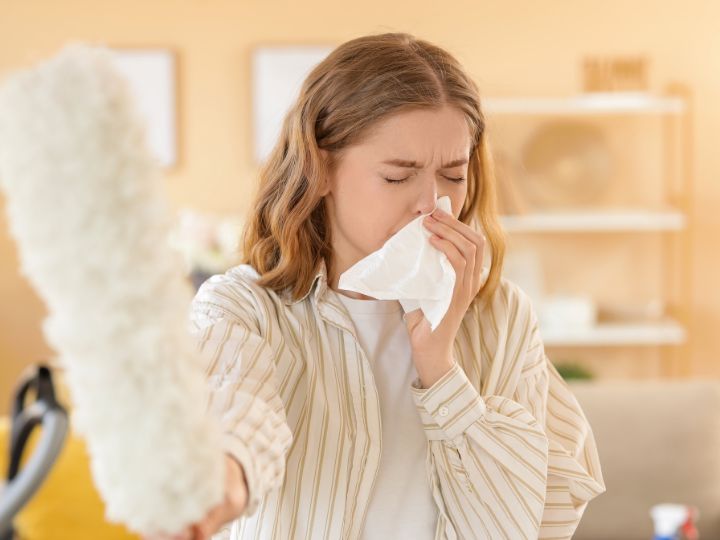

Spring arrives in Albuquerque with brilliant blue skies and blooming chamisa, but for many residents, it also brings watery eyes, persistent sneezing, and congestion that makes it difficult to enjoy the beautiful weather. While most people focus on medication and outdoor precautions during allergy season, one of the most effective strategies for managing symptoms happens right inside your home. A targeted cleaning approach can dramatically reduce indoor allergen exposure and provide much-needed relief during the challenging months when pollen counts soar across the Rio Grande Valley.
Albuquerque's unique high desert environment creates specific challenges for allergy sufferers. The combination of dry air, strong winds, and diverse plant life means that allergens don't just appear during traditional spring months. Juniper pollen typically peaks from December through March, creating what locals call "cedar fever." As winter transitions to spring, elm and cottonwood trees begin their cycle, followed by grasses through the summer months. The chamisa and ragweed that define our late summer and fall landscape bring their own set of triggers. This extended allergy season means that Albuquerque homeowners need year-round strategies for maintaining a low-allergen indoor environment.
How Allergens Accumulate in Your Home
Understanding how allergens accumulate in your home is the first step toward effective management. Pollen doesn't just stay on your clothes and hair when you come inside. It settles on every surface, becomes embedded in carpets and upholstery, and circulates through your HVAC system. Dust mites thrive in bedding, pet dander disperses throughout living spaces, and mold can develop in areas with even minimal moisture. In Albuquerque's dry climate, dust becomes particularly problematic because it stays airborne longer and settles into every crevice of your home. When you add our region's strong winds that carry allergens for miles, it becomes clear why a comprehensive cleaning strategy is essential rather than optional.
Your HVAC System: The Foundation of Allergy-Friendly Cleaning
The foundation of allergy-friendly cleaning begins with your HVAC system. Your heating and cooling system circulates air throughout your entire home, which means it can either help filter out allergens or continuously redistribute them. Start by replacing your air filters every 30 to 60 days during peak allergy seasons, and consider upgrading to HEPA filters that capture particles as small as 0.3 microns. Many Albuquerque homes have evaporative coolers rather than traditional air conditioning, which brings outside air directly into your home. If you have a swamp cooler, clean the pads at the beginning of each cooling season and replace them if they show any signs of mold or excessive mineral buildup. For forced air systems, have your ducts professionally cleaned every three to five years, or more frequently if you notice dust buildup around vents or if anyone in your household has severe allergies.
Creating an Allergen-Free Bedroom Sanctuary
Your bedroom deserves special attention because you spend roughly a third of your life there, and nighttime exposure to allergens can significantly impact sleep quality and overall symptom severity. Encase your mattress, box spring, and pillows in allergen-proof covers with pore sizes small enough to block dust mites. These microscopic creatures feed on dead skin cells and thrive in the warm, humid environment of bedding. Even in Albuquerque's dry climate, the moisture from your body creates ideal conditions for dust mites in your mattress. Wash all bedding weekly in hot water of at least 130 degrees Fahrenheit, which is the temperature needed to kill dust mites. If you have decorative pillows or stuffed animals in the bedroom, either wash them regularly or remove them entirely during peak allergy season. Consider replacing heavy drapes with washable curtains or blinds that can be easily wiped down, and keep bedroom windows closed during high pollen days to prevent allergens from drifting in on the breeze.
Systematic Cleaning for Living Areas
Living areas require a systematic approach that goes beyond surface dusting. When you dust, use damp microfiber cloths rather than dry dusters or feather dusters, which simply move allergens around and release them back into the air. Start from the highest surfaces and work your way down so falling dust can be captured as you progress. Pay particular attention to often-overlooked areas like ceiling fan blades, the tops of door frames, window sills, and baseboards. Books and decorative items are notorious dust collectors, so wipe them down individually or consider storing some items behind glass doors during peak allergy season. Upholstered furniture harbors allergens deep within its fibers, so vacuum it thoroughly using your vacuum's upholstery attachment at least once a week. If you have leather or faux leather furniture, wipe it down with a damp cloth to remove settled allergens from the surface.
Flooring Maintenance: Hard Surfaces vs. Carpets
Flooring choices and maintenance significantly impact indoor allergen levels. Hard surfaces like tile, wood, and vinyl are preferable to carpet for allergy sufferers because they don't trap allergens the way carpet fibers do. Many Albuquerque homes feature beautiful Saltillo tile or stained concrete that's naturally allergy-friendly. If you do have carpet, vacuum at least twice weekly using a vacuum with a HEPA filter and strong suction. Make slow, overlapping passes to ensure you're pulling allergens from deep within the carpet pile. Consider having carpets professionally deep cleaned every six months, and use the interim period to spot clean any spills immediately to prevent mold growth. Area rugs should be taken outside and beaten or shaken to remove embedded dust, then vacuumed on both sides. For hard floors, damp mop rather than dry sweep whenever possible, as sweeping can kick dust and allergens back into the air.
Kitchen Cleaning Beyond the Obvious
The kitchen might not seem like an obvious allergy hotspot, but it can harbor several triggers. Crumbs and food debris attract pests whose droppings can trigger allergic reactions, so keep counters clean and sweep or vacuum floors daily. Check under appliances periodically, as these dark, undisturbed areas can accumulate significant dust and debris. The area around your stove collects grease that attracts and traps airborne particles, so clean your range hood filters monthly and wipe down the surrounding surfaces weekly. Inspect areas under the sink and around any pipes for moisture or signs of mold. Even small leaks in Albuquerque's dry climate can create enough humidity for mold to develop. Keep your refrigerator drip pan clean and dry, and regularly clean door seals where moisture and food particles can accumulate.
Bathroom Moisture Control and Mold Prevention
Bathrooms present unique challenges because moisture creates ideal conditions for mold and mildew despite our desert climate. Run your exhaust fan during showers and for at least 30 minutes afterward to remove humidity. If your bathroom doesn't have a fan, crack a window to allow moisture to escape. Wipe down shower walls, doors, and curtains after each use to prevent water from sitting and creating conditions for mold growth. Wash bath mats weekly and replace your shower curtain or liner if you notice any mold spots that won't clean off. Grout between tiles is particularly susceptible to mold, so clean it monthly with a mixture designed for mold removal, and consider applying a grout sealer to create a barrier against moisture. Check under sinks for any plumbing leaks and fix them immediately, as even minor moisture problems can quickly lead to mold issues that affect your entire home's air quality.
The Hidden Impact of Clutter on Allergen Levels
Clutter reduction plays a surprisingly important role in allergy management. Every item in your home is a potential surface for dust and allergens to accumulate, and more items mean more surfaces to clean. Take an honest look at each room and consider whether decorative objects, stacks of papers, or miscellaneous items are worth the extra cleaning they require. This doesn't mean your home needs to be minimalist, but being intentional about what you keep displayed can significantly reduce your cleaning burden and allergen exposure. Store items you don't use regularly in closed containers rather than leaving them on open shelves. Paper clutter is particularly problematic because it traps dust and provides no easy way to clean it, so file or recycle papers regularly rather than letting them pile up.
Managing Pet Allergens Without Sacrificing Companionship
Pet owners face additional challenges during allergy season, but you don't have to rehome your beloved animals to find relief. Bathe pets weekly during peak allergy season to remove pollen and dander from their fur before it spreads throughout your home. Brush pets outdoors if possible, so loose fur and dander don't become airborne inside. Designate certain areas as pet-free zones, particularly bedrooms, to create allergen-reduced spaces where you can retreat when symptoms are severe. Wash pet bedding weekly in hot water, and vacuum areas where pets spend time daily rather than weekly. Consider using air purifiers with HEPA filters in rooms where pets spend significant time, which can help capture airborne dander before it settles on surfaces.
Strategic Window Management During High Pollen Days
Window treatments and how you manage them can significantly impact allergen levels. During high pollen days, which you can track through local pollen count websites or apps, keep windows closed even if the weather is beautiful. When pollen counts are low, opening windows can help ventilate your home and reduce indoor air staleness, but be strategic about timing. Early morning typically brings higher pollen counts, so if you do open windows, late evening or after rain are better choices. Clean window screens regularly, as they catch pollen and dust that can then blow into your home when you open windows. Vacuum or wash curtains monthly during allergy season, and wipe down blinds weekly with a damp microfiber cloth.
Your Entryway: The First Line of Defense
The entryway to your home serves as the first line of defense against outdoor allergens. Establish a routine where family members remove shoes at the door to avoid tracking pollen and outdoor allergens throughout the house. Place a good quality doormat both outside and inside each entrance, and vacuum or shake out these mats weekly. Consider keeping a basket near the door for shoes and another for outdoor clothing like jackets that pick up pollen. If you've been doing yard work or spending extended time outside during high pollen days, change clothes and shower before moving through your home to minimize the spread of allergens you've collected.
Maximizing Air Purifier Effectiveness
Air purifiers can provide significant relief when used correctly. Choose units with true HEPA filters that are appropriately sized for your room dimensions. Place purifiers in rooms where you spend the most time, particularly bedrooms. Run them continuously during peak allergy season rather than turning them on and off, as consistent filtration is more effective than intermittent use. Clean or replace filters according to the manufacturer's recommendations, as clogged filters reduce effectiveness and can actually contribute to poor air quality. While air purifiers are helpful, they work best as part of a comprehensive cleaning strategy rather than as a standalone solution.
Deep Cleaning Tasks That Make a Real Difference
Deep cleaning tasks that might seem overwhelming for busy homeowners can make a substantial difference in allergen levels. Washing walls removes accumulated dust and pollen that regular cleaning misses. Clean light fixtures and lampshades, which trap surprising amounts of dust. Vacuum and dust heating and cooling vents monthly. Clean or replace range hood filters. Wipe down all interior doors and door frames. These tasks don't need to happen weekly, but scheduling them quarterly or during seasonal transitions can significantly improve your home's overall allergen burden.
When Professional Cleaning Services Make Sense
The reality is that maintaining an allergy-friendly home requires consistent effort and time that many people simply don't have in their busy schedules. Between work obligations, family responsibilities, and trying to actually enjoy life, deep cleaning often falls to the bottom of the priority list. This is where professional help becomes not just convenient but genuinely beneficial for your health. Local cleaning services understand the specific challenges that Albuquerque's environment presents and can implement the thorough, systematic approach that effective allergen reduction requires.
If you find yourself struggling to keep up with the cleaning demands of allergy season, or if you're dealing with severe symptoms despite your best efforts, 505 Clean Queens offers professional house cleaning services specifically designed for Albuquerque homes. Their team understands the unique allergen challenges of our high desert environment and can provide the deep, consistent cleaning that makes a real difference in indoor air quality. Sometimes investing in professional cleaning during peak allergy months provides the relief you need to actually enjoy your home rather than constantly battling symptoms and struggling to find time for thorough cleaning.
Creating a Long-Term Allergen Management Strategy
Managing allergies in Albuquerque requires understanding that we're dealing with a year-round challenge rather than a brief spring inconvenience. The combination of our extended pollen seasons, dry dusty conditions, and strong winds means that allergen control needs to be an ongoing priority rather than an occasional deep clean. By implementing these strategies consistently and recognizing when professional help can make your life easier and healthier, you can create a home environment where allergy symptoms are managed rather than endured. Your home should be a refuge from the allergens outside, and with the right approach to home cleaning and maintenance, it can be exactly that.


