
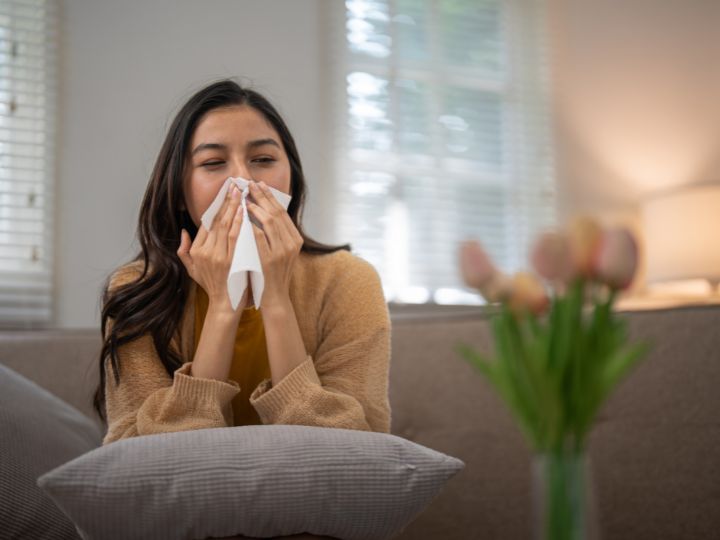

Living with asthma in Albuquerque presents unique challenges. The high desert climate, seasonal allergens, and dust that seems to settle everywhere can make breathing difficult for the approximately 8% of New Mexico residents who manage this chronic respiratory condition. While medication plays a crucial role in asthma management, creating a clean, allergen-free home environment is equally important—and often overlooked.
Understanding Asthma Triggers in the High Desert
Albuquerque's environment is a double-edged sword for asthma sufferers. The city's low humidity can actually benefit some people with respiratory conditions, but it also means dust particles stay airborne longer and settle deeply into fabrics and surfaces. Common indoor asthma triggers in Albuquerque homes include dust mites, pet dander, mold spores, pollen tracked in from outside, and cleaning product fumes.
The key to managing asthma at home isn't just cleaning more often—it's cleaning smarter and with the right approach.
The Clear Air Cleaning Philosophy
An asthma-friendly cleaning routine focuses on three core principles: reducing allergen accumulation, using non-toxic products, and maintaining consistent air quality. This approach differs significantly from standard cleaning methods that might actually stir up allergens or introduce harsh chemical irritants into the air.
Strategic Dust Removal
Dust is public enemy number one for asthma sufferers. In Albuquerque's dry climate, dust accumulates quickly on every surface. The clear air approach emphasizes:
Damp dusting over dry dusting. Using microfiber cloths slightly dampened with water traps dust particles instead of sending them airborne. This simple switch can dramatically reduce the number of allergens circulating through your home after cleaning.
Top-to-bottom cleaning. Always start with ceiling fans, light fixtures, and high shelves, working your way down to prevent settled dust from falling onto already-cleaned surfaces.
HEPA filtration. Vacuum cleaners with true HEPA filters capture 99.97% of particles as small as 0.3 microns—including dust mites, pollen, and pet dander. Regular vacuums simply recirculate these particles back into the air.
Rethinking Cleaning Products
Many conventional cleaning products contain volatile organic compounds (VOCs), fragrances, and harsh chemicals that can trigger asthma attacks. The clear air approach prioritizes:
Fragrance-free products. That "fresh linen" or "spring rain" scent often comes from synthetic fragrances that irritate airways. Truly clean air should smell like nothing at all.
Simple ingredients. White vinegar, baking soda, and castile soap can tackle most cleaning jobs without introducing respiratory irritants. For tougher jobs, look for products certified by the EPA's Safer Choice program or that carry the asthma & allergy friendly® certification mark.
Proper ventilation. Even when using gentler products, opening windows during and after cleaning helps flush out any particles or vapors that might trigger symptoms.
Room-by-Room Strategies
Bedrooms: The Priority Zone
We spend roughly a third of our lives in bed, making the bedroom the most critical area for asthma management. Dust mites thrive in mattresses, pillows, and bedding, feeding on dead skin cells and producing allergens that can trigger nighttime asthma symptoms.
Encase mattresses and pillows in allergen-proof covers with tightly woven fabric that prevents dust mites from penetrating. Wash all bedding weekly in hot water (at least 130°F) to kill dust mites. Remove unnecessary fabric items like decorative pillows, stuffed animals, and heavy curtains that collect dust. Consider replacing carpet with hard flooring if possible.
Kitchens and Bathrooms: Moisture Management
In Albuquerque's dry climate, it might seem odd to worry about moisture, but kitchens and bathrooms still create humidity that can foster mold growth—a major asthma trigger. Address moisture promptly by fixing leaks immediately, using exhaust fans during and after showers or cooking, and wiping down surfaces prone to condensation.
Living Areas: Reducing Fabric Surfaces
Upholstered furniture, heavy drapes, and carpet act as reservoirs for dust and allergens. Vacuum upholstered furniture weekly using the HEPA-filtered vacuum's upholstery attachment. Choose washable throw rugs over wall-to-wall carpeting, and opt for blinds or washable curtains instead of heavy drapes.
The Hidden Culprits
Some asthma triggers hide in unexpected places. Air ducts accumulate dust and can distribute allergens throughout your home every time the HVAC system runs—consider professional duct cleaning every three to five years. Indoor plants add beauty but can harbor mold in their soil. If you keep plants, use indoor potting mix and avoid overwatering.
Clutter creates surfaces where dust settles and makes thorough cleaning difficult. Adopting a minimalist approach isn't just trendy—it's practical for asthma management. Pet dander is nearly impossible to eliminate if you have furry friends, but regular pet grooming, keeping pets out of bedrooms, and using HEPA air purifiers can help reduce exposure.
Creating a Maintenance Schedule
Consistency matters more than intensity when it comes to asthma-friendly home cleaning. A regular schedule prevents allergen buildup that can trigger symptoms. Daily tasks should include making beds (dust mites are less active on smooth surfaces), wiping kitchen counters and sinks, and quick floor sweeping in high-traffic areas.
Weekly tasks include damp mopping hard floors, vacuuming all carpets and rugs with a HEPA vacuum, washing bedding in hot water, and cleaning bathroom surfaces. Monthly deep-cleaning should address baseboards and windowsills, ceiling fans and light fixtures, inside kitchen appliances, and window treatments.
When to Seek Professional Help
Despite best efforts, maintaining an asthma-friendly home can be overwhelming, especially during symptom flare-ups or busy periods. Professional cleaning services trained in allergy and asthma-conscious methods can be invaluable.
A professional service should use HEPA-filtered equipment, offer fragrance-free and low-VOC cleaning products, understand proper techniques that minimize allergen circulation, and be willing to customize their approach to your specific triggers.
For Albuquerque residents seeking professional support in maintaining an asthma-friendly home environment, local services like 505 Clean Queens understand the unique challenges of keeping high desert homes clean and breathable. Professional cleaners in Albuquerque familiar with asthma-conscious methods can help maintain the consistent, thorough cleaning schedule that's essential for respiratory health—giving you more time to focus on living well rather than just managing symptoms.
The Air Quality Connection
Cleaning is only part of the equation. Maintaining good indoor air quality requires attention to ventilation and filtration as well. Run HVAC systems continuously on fan mode with a high-quality filter (MERV 11-13 rating) to continuously filter air. Consider portable HEPA air purifiers for bedrooms and main living areas. Change HVAC filters every one to three months, more frequently during high pollen seasons.
In Albuquerque, be especially mindful during spring winds and during wildfire season, when outdoor air quality can be poor. On these days, keep windows closed and rely on mechanical filtration.
Beyond Cleaning: Lifestyle Integration
An asthma-friendly home extends beyond cleaning routines. Remove shoes at the door to avoid tracking in pollen and outdoor allergens. Monitor indoor humidity levels (ideal range is 30-50%), and use a dehumidifier if necessary. Avoid burning candles, incense, or using air fresheners. Consider your home's HVAC system as part of your asthma management plan—regular professional maintenance ensures it's not circulating allergens.
The Long-Term Benefits
Committing to an asthma-conscious cleaning approach requires initial effort and adjustment, but the benefits extend far beyond reduced symptoms. Better sleep quality, fewer emergency interventions, reduced medication needs, and improved overall quality of life are common outcomes reported by asthma sufferers who prioritize their home environment.
For children with asthma, a clean home environment can mean fewer missed school days and better participation in activities. For adults, it can translate to improved work productivity and more energy for the things that matter most.
Finding Your Clear Air Path
Every person's asthma triggers are slightly different, and what works for one household may need adjustment for another. Pay attention to when and where symptoms worsen, and adjust your cleaning focus accordingly. Keep a symptom journal to identify patterns and track which changes make the most difference for you.
Living with asthma in Albuquerque doesn't mean accepting constant symptoms or limiting your lifestyle. With the right cleaning approach tailored to the high desert environment, you can create a home that supports your respiratory health rather than challenging it. Clear air at home provides the foundation for breathing easier everywhere else you go.


