

When it comes to maintaining a clean home, you've likely encountered the terms "regular cleaning" and "deep cleaning" used by professional cleaning services, home organization experts, and in cleaning product marketing. While both aim to create cleaner living spaces, they represent fundamentally different approaches with distinct purposes, time investments, and outcomes. Understanding the difference between these two cleaning levels helps you make informed decisions about how to maintain your home effectively and when to invest in more intensive cleaning efforts.
Many homeowners assume that thorough regular cleaning eliminates the need for deep cleaning, or conversely, that deep cleaning frequently enough makes regular maintenance unnecessary. In reality, these two cleaning approaches complement each other, each serving specific purposes in a comprehensive home maintenance strategy. Regular cleaning maintains baseline cleanliness and prevents rapid deterioration, while deep cleaning addresses accumulated grime, hidden dirt, and areas that routine maintenance doesn't reach.
The confusion between these cleaning types often leads to unrealistic expectations—homeowners attempt deep cleaning on a weekly basis and become exhausted, or they perform only surface-level cleaning for years and wonder why their homes feel dingy despite regular attention. Clarifying what each cleaning type involves, when each is appropriate, and how they work together creates a sustainable, effective approach to home maintenance that keeps spaces genuinely clean without requiring unsustainable time and energy investments.
Understanding Regular Cleaning
Regular cleaning, sometimes called maintenance cleaning or standard cleaning, focuses on maintaining established cleanliness in spaces that are already reasonably clean. This is the type of cleaning most people do weekly or biweekly to keep their homes presentable and hygienic for daily living.
What Regular Cleaning Includes
Regular cleaning addresses the most visible and frequently used surfaces throughout your home. In kitchens, this means wiping down countertops, cleaning the exterior of appliances, washing dishes or loading the dishwasher, sweeping and mopping floors, and taking out trash. The sink gets scrubbed, but the focus remains on removing visible food residue and maintaining general cleanliness rather than addressing soap scum buildup or hard water stains.
Bathroom regular cleaning includes scrubbing toilets, cleaning sinks and counters, wiping down mirrors, cleaning the exterior of the tub and shower, and mopping floors. Soap scum might be addressed if it's immediately visible, but you're not scrubbing grout lines or removing mineral deposits from fixtures.
In bedrooms and living areas, regular cleaning involves making beds, dusting accessible surfaces, vacuuming or sweeping floors, and straightening clutter. You might dust the coffee table and entertainment center, but you're not moving every decorative item to dust underneath or pulling furniture away from walls to clean behind it.
Throughout the house, regular cleaning includes emptying trash cans, wiping down frequently touched surfaces like doorknobs and light switches, and general tidying that keeps spaces looking organized and cared for.
Time Investment for Regular Cleaning
For an average-sized home of around 1,500 square feet, regular cleaning typically requires two to four hours depending on the home's current condition, how many people live there, and whether you have pets. Larger homes naturally require more time, while smaller apartments might need only an hour or two for thorough maintenance cleaning.
Professional cleaning services usually complete regular maintenance cleaning more quickly than homeowners—often in one to two hours for average homes—because they work systematically with efficient techniques and professional-grade equipment.
The Purpose of Regular Cleaning
Regular cleaning serves multiple essential purposes. First, it maintains a baseline level of cleanliness that keeps homes comfortable and hygienic for daily living. Surfaces remain relatively free of dust, floors don't accumulate visible dirt, and bathrooms stay sanitary enough for safe use.
Second, regular cleaning prevents rapid deterioration. By addressing spills, crumbs, and dirt before they set or become ground in, you prevent the more difficult cleaning challenges that develop when grime accumulates over time. A quick wipe of countertops prevents sticky residue from hardening; regular vacuuming prevents dirt from being ground deep into carpet fibers.
Third, regular cleaning maintains appearances. Homes that receive consistent maintenance cleaning look cared for and feel welcoming. This matters not just for guests but for residents' own sense of wellbeing—living in visibly clean spaces reduces stress and supports mental health.
Finally, regular cleaning establishes routines and habits that make home maintenance sustainable. When cleaning happens consistently on a manageable schedule, it never becomes overwhelming. The alternative—cleaning only when things become visibly dirty—creates a boom-and-bust cycle that's exhausting and unsustainable.
What Regular Cleaning Doesn't Address
Understanding what regular cleaning doesn't cover is crucial for setting realistic expectations. Regular maintenance cleaning doesn't address built-up grime in grout lines, hard water stains on fixtures, soap scum accumulation in showers, mineral deposits on faucets, or the gradual dulling of surfaces that occurs despite weekly cleaning.
It doesn't include moving furniture to vacuum underneath, cleaning inside cabinets and drawers, washing baseboards, cleaning inside appliances, washing walls, or addressing the accumulated dust on ceiling fans, light fixtures, and air vents. Window washing, both interior and exterior, isn't part of regular cleaning, nor is cleaning behind or under large appliances.
Regular cleaning maintains what's already relatively clean but doesn't restore surfaces that have degraded over time or address areas that require more intensive attention. This isn't a failure of regular cleaning—it's simply not designed to address these issues. Attempting to include deep cleaning tasks in every regular cleaning session would make the process unsustainably time-consuming.
Understanding Deep Cleaning
Deep cleaning represents a comprehensive, intensive approach that addresses every surface, every corner, and all the accumulated grime that develops despite regular maintenance. Think of it as a reset button that restores your home to its cleanest possible condition.
What Deep Cleaning Includes
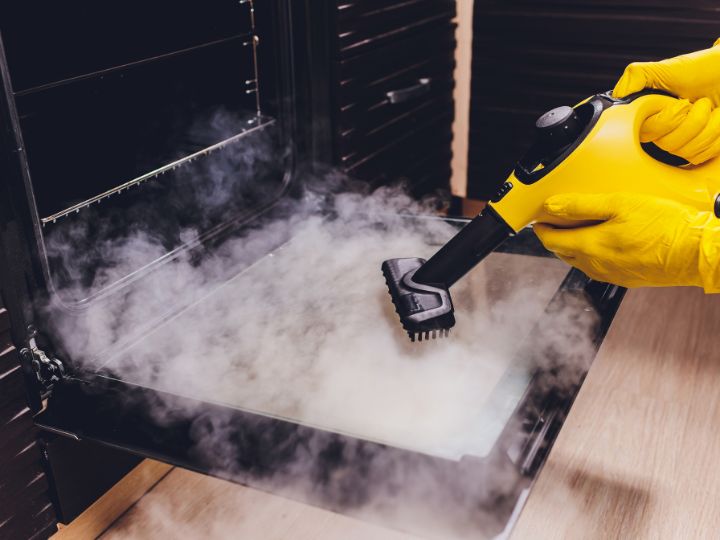
Deep cleaning encompasses everything in regular cleaning plus significantly more intensive and comprehensive attention throughout the home. In kitchens, deep cleaning includes cleaning inside the refrigerator, oven, and other appliances; degreasing cabinet exteriors and hardware; cleaning inside cabinets and drawers; scrubbing grout lines; removing hard water deposits from sinks and faucets; cleaning the backsplash thoroughly; and addressing the top of the refrigerator, range hood interior, and other often-neglected areas.
Bathroom deep cleaning involves scrubbing tile grout, removing soap scum and hard water buildup from all surfaces, cleaning inside cabinets and drawers, descaling showerheads and faucets, thoroughly cleaning exhaust fans, washing shower curtains or deep cleaning glass doors, and sanitizing all surfaces with more intensive attention than regular cleaning provides.
Throughout the home, deep cleaning includes washing baseboards and trim, cleaning doors and door frames, wiping down walls to remove smudges and accumulated dust, cleaning light fixtures and ceiling fans thoroughly, washing windows inside and out, vacuuming and dusting air vents, moving furniture to clean underneath and behind it, and cleaning areas that are typically above eye level or below furniture height.
Deep cleaning also addresses upholstered furniture more thoroughly than regular vacuuming, potentially including spot cleaning or full upholstery cleaning. Carpets might be steam cleaned, hardwood floors might be deep cleaned and polished, and tile floors receive attention to grout lines and accumulated buildup that regular mopping doesn't address.
Time Investment for Deep Cleaning
Deep cleaning requires significantly more time than regular maintenance—typically six to twelve hours for an average home, depending on its size, condition, and how long it's been since the last deep clean. A home that's never been deep cleaned or hasn't received this attention in several years might require even more time as accumulated grime takes longer to address.
Professional cleaning teams can complete deep cleaning more efficiently than individuals because multiple cleaners work simultaneously and they have specialized equipment and products that work more effectively than consumer-grade supplies. What might take a homeowner an entire weekend could take a professional team four to six hours.
The Purpose of Deep Cleaning
Deep cleaning serves several critical purposes that regular maintenance cannot fulfill. First, it restores surfaces to their cleanest possible condition, removing the gradual buildup of grime, mineral deposits, soap scum, and embedded dirt that accumulates despite regular cleaning. This restoration makes subsequent regular cleaning more effective because you're maintaining truly clean surfaces rather than slightly dirty ones.
Second, deep cleaning improves indoor air quality by removing accumulated dust from vents, ceiling fans, blinds, and other surfaces that release particles into the air. For households with allergies, asthma, or respiratory sensitivities, periodic deep cleaning provides measurable health benefits.
Third, deep cleaning extends the life of home finishes and surfaces. Grout that's regularly deep cleaned doesn't deteriorate as quickly as grout where grime penetrates and causes damage. Hardwood floors that receive periodic intensive cleaning and conditioning maintain their finish longer. Appliances that are regularly deep cleaned operate more efficiently and last longer.
Fourth, deep cleaning addresses hygiene in ways regular cleaning cannot. Sanitizing surfaces more thoroughly, cleaning inside appliances where bacteria can grow, and removing buildup from areas like kitchen exhaust systems contributes to a healthier home environment.
Finally, deep cleaning provides psychological benefits. There's something profoundly satisfying about a home that's been comprehensively cleaned—it feels fresh in ways that regular maintenance, however consistent, cannot achieve. This sense of renewal supports mental wellbeing and creates an environment that feels truly restful and rejuvenating.
When Deep Cleaning Is Needed
Most homes benefit from deep cleaning two to four times yearly, though circumstances vary based on household factors. Homes with pets, children, or multiple occupants typically need more frequent deep cleaning than single-occupant or adult-only households. Homes in dusty climates or near busy roads accumulate grime faster and benefit from more frequent intensive attention.
Deep cleaning is particularly appropriate when moving into a new home before unpacking, ensuring you're starting with truly clean spaces. Similarly, deep cleaning before moving out ensures you leave the property in excellent condition and often helps secure full security deposit returns.
Seasonal deep cleaning makes practical sense—perhaps a thorough spring cleaning after winter months when homes are closed up, and a fall deep clean before holiday hosting season. Some households prefer deep cleaning after particularly messy periods, like post-holiday cleanup or after major home projects.
Deep cleaning is also appropriate when preparing to host significant events, when recovering from illness to sanitize the home thoroughly, or simply when your home feels dingy despite regular cleaning—a signal that accumulated buildup requires intensive attention.
Comparing the Two Approaches Side by Side
Understanding the practical differences between regular and deep cleaning becomes clearer through specific room-by-room comparisons.
Kitchen Comparison
In regular kitchen cleaning, you wipe down counters and the stovetop, clean the sink, sweep and mop floors, and wipe down the exterior of appliances. The focus is on removing today's cooking residue and maintaining general cleanliness.
In deep kitchen cleaning, you clean inside the refrigerator and oven, degrease all surfaces including cabinet fronts and range hood, scrub grout lines on backsplash and floor, descale faucets, clean inside cabinets and drawers, address the top of the refrigerator and cabinets, clean small appliances thoroughly, and organize while cleaning.
Bathroom Comparison
Regular bathroom cleaning includes scrubbing the toilet, cleaning the sink and counter, wiping the mirror, cleaning the exterior of the tub and shower, and mopping the floor. You're maintaining cleanliness in areas that need frequent attention.
Deep bathroom cleaning involves scrubbing all tile grout, removing soap scum and hard water deposits completely, cleaning inside cabinets and drawers, descaling all fixtures thoroughly, cleaning exhaust fans, washing shower curtains or deep cleaning glass doors, sanitizing all surfaces intensively, and addressing areas like baseboards and walls that show moisture damage or mildew.
Living Areas Comparison
Regular cleaning in living spaces includes vacuuming, dusting accessible surfaces, straightening clutter, and spot-cleaning any visible messes. You're maintaining the room's general cleanliness and appearance.
Deep cleaning involves moving furniture to vacuum underneath and behind, dusting all surfaces including picture frames and decorative items individually, cleaning upholstered furniture thoroughly, washing windows and window treatments, dusting or washing light fixtures and ceiling fans, wiping down walls and baseboards, and cleaning air vents.
Bedroom Comparison
Regular bedroom cleaning includes making beds, dusting visible surfaces, vacuuming floors, and keeping clutter managed. The focus is on creating a tidy, pleasant sleeping environment.
Deep bedroom cleaning adds washing all bedding including mattress pads, vacuuming and potentially flipping mattresses, cleaning inside closets, moving furniture to clean underneath, dusting all surfaces including lamp shades and artwork, washing windows and window treatments, wiping baseboards and walls, and organizing while cleaning.
The Relationship Between Regular and Deep Cleaning
These two cleaning approaches aren't competing options—they're complementary components of effective home maintenance. Deep cleaning creates the foundation, restoring surfaces to their cleanest possible condition. Regular cleaning maintains that foundation, preventing rapid re-accumulation of the grime that deep cleaning removed.
Think of it like car maintenance: regular cleaning is the weekly car wash that keeps your vehicle looking presentable, while deep cleaning is the periodic detailing that cleans the engine, conditions the leather, and addresses every surface thoroughly. Both serve important purposes, and neither eliminates the need for the other.
Homes that receive only regular cleaning gradually accumulate buildup despite consistent attention. Surfaces become dingy, grout darkens, fixtures lose their shine, and eventually the home feels dirty even immediately after cleaning. At this point, no amount of regular cleaning will fully restore cleanliness—deep cleaning becomes necessary.
Conversely, homes that receive only periodic deep cleaning but no regular maintenance between sessions deteriorate rapidly. The deep cleaning provides temporary cleanliness, but without maintenance, dirt accumulates quickly and the benefits of intensive cleaning dissipate within weeks.
The optimal approach combines both: deep cleaning two to four times yearly establishes baseline cleanliness, while weekly or biweekly regular cleaning maintains that baseline, preventing the rapid deterioration that would otherwise occur.
Cost Considerations
Understanding the cost differences between regular and deep cleaning helps you budget appropriately and make informed decisions about which services to hire professionally and which to handle yourself.
Professional deep cleaning typically costs 1.5 to 2 times more than regular cleaning due to the additional time, effort, and often specialized products required. For an average-sized home, regular professional cleaning might cost $100-150, while deep cleaning might cost $200-300. These costs vary based on location, home size, and specific service provider pricing.
Many professional cleaning services require an initial deep cleaning before establishing ongoing regular cleaning services. This makes practical sense—it's more efficient to maintain cleanliness than to perpetually struggle against accumulated grime. The initial deep clean establishes the baseline that subsequent regular cleanings maintain.
When considering costs, factor in the time savings and opportunity cost of doing it yourself. If deep cleaning your home requires sixteen hours of intensive work spread across a weekend, and you value your time at even $20 per hour, you're investing $320 worth of your time. Professional deep cleaning at $250 suddenly looks cost-effective, and you've preserved your weekend for activities you actually enjoy.
DIY vs Professional: When to Hire Help
Both regular and deep cleaning can be done either by homeowners or professional services, but different circumstances favor different approaches.
When DIY Makes Sense
Regular maintenance cleaning is often manageable for homeowners to handle themselves if they have adequate time, physical ability, and motivation. Keeping up with weekly cleaning prevents overwhelming buildup and makes the task reasonably achievable within a few hours.
For those who enjoy cleaning or find it meditative, DIY maintenance might be preferable to hiring services. Some people genuinely find satisfaction in cleaning their own spaces and don't view it as a burden.
Budget constraints might necessitate DIY cleaning, particularly for younger households or those prioritizing other financial goals. With consistent effort and good systems, homeowners can certainly maintain clean homes themselves.
When Professional Help Makes Sense
Deep cleaning is where professional services provide exceptional value. The intensive time investment, physical demands, and specialized knowledge required make deep cleaning a prime candidate for professional help, even among households that handle regular maintenance themselves.
Professional cleaners complete deep cleaning more efficiently because they have specialized training, commercial-grade equipment, and established systems. They know which products effectively remove soap scum, hard water stains, and grout buildup without damaging surfaces—knowledge that homeowners typically lack.
The physical demands of deep cleaning—extensive scrubbing, moving furniture, reaching high surfaces, and sustained physical effort over many hours—can be challenging or even impossible for those with physical limitations, chronic pain, or mobility issues. Professional cleaners have the physical conditioning and tools to handle these demands safely.
For regular cleaning, professional services make sense when time is genuinely scarce due to demanding careers, family obligations, or both. The hours saved by hiring professional cleaners can be redirected toward career advancement, family time, personal health, or simply rest—often generating more value than the cost of the service.
Professional cleaning also makes sense during life transitions: after having a baby, during illness or recovery, when caring for aging parents, during divorce or major life stress, or any other circumstance when adding house cleaning to your responsibilities would be genuinely overwhelming.
Common Misconceptions
Several misconceptions about regular and deep cleaning lead to frustration, unrealistic expectations, and ineffective cleaning strategies.
Misconception 1: Deep Cleaning Often Enough Eliminates the Need for Regular Cleaning
Some people believe that deep cleaning monthly or even weekly means they don't need regular maintenance between sessions. This isn't practical or sustainable. Deep cleaning is exhausting and time-consuming precisely because it's comprehensive. Attempting this level of cleaning weekly would consume your entire weekend and likely lead to burnout.
The reality is that regular maintenance prevents rapid re-accumulation of the dirt that deep cleaning addresses. Without regular upkeep, even recently deep-cleaned homes become visibly dirty within weeks, negating much of the deep cleaning benefit.
Misconception 2: Regular Cleaning Done Thoroughly Enough Is the Same as Deep Cleaning
Regular cleaning, no matter how thorough, doesn't address many tasks that define deep cleaning. You might scrub the toilet meticulously every week, but regular cleaning doesn't typically include moving the toilet to clean behind it, addressing mineral buildup inside the tank, or deep cleaning the exhaust fan. These are deep cleaning tasks by definition because they're not part of maintenance cleaning.
Being thorough with regular cleaning is valuable and keeps your home cleaner between deep cleaning sessions, but it doesn't replace the comprehensive attention that deep cleaning provides.
Misconception 3: Professional Cleaners' "Regular Cleaning" Is the Same as Homeowners' Regular Cleaning
Professional cleaners work more efficiently and achieve better results than most homeowners in the same timeframe due to training, experience, and professional equipment. However, professional regular cleaning still focuses on maintenance rather than deep cleaning unless you specifically book deep cleaning services.
The difference is that professional regular cleaning might be slightly more thorough than what many homeowners achieve because cleaners work systematically and know efficient techniques, but it still doesn't include moving furniture, cleaning inside cabinets, or the other tasks that define deep cleaning.
Misconception 4: Deep Cleaning Is Only Necessary When Moving
While deep cleaning before moving in or out is certainly important, limiting deep cleaning to these occasions means your home goes years without comprehensive attention. The gradual accumulation of grime affects appearance, air quality, and even structural elements like grout and finishes long before you move.
Periodic deep cleaning throughout occupancy maintains your home's condition, protects your investment, and creates a healthier, more pleasant living environment than you'd experience with maintenance cleaning alone.
Misconception 5: You Need Harsh Chemicals for Effective Deep Cleaning
While deep cleaning is more intensive than regular maintenance, it doesn't necessarily require harsh, toxic chemicals. Many effective deep cleaning products are environmentally friendly and safe for households with children and pets. Professional green cleaning services achieve excellent deep cleaning results using plant-based, biodegradable products.
The effectiveness of deep cleaning comes more from technique, tools, and sustained effort than from chemical strength. A scrub brush and baking soda paste often work as well as harsh commercial products for many deep cleaning tasks.
Creating Your Cleaning Strategy
Understanding the difference between regular and deep cleaning allows you to create a sustainable, effective home maintenance strategy that keeps your spaces genuinely clean without overwhelming your schedule or budget.
Establish Regular Cleaning Routines
Determine a realistic frequency for maintenance cleaning based on your household—weekly for most homes, perhaps biweekly for adults-only households without pets, or twice weekly for large families with pets. Create a checklist of regular cleaning tasks so nothing gets overlooked.
Consider whether you'll handle regular cleaning yourself or hire professional help. Be honest about your time availability, physical capabilities, and priorities. There's no moral superiority in doing your own cleaning if it means sacrificing activities that better align with your values or if the physical demands are problematic.
If doing it yourself, implement systems that make regular cleaning sustainable: keep cleaning supplies accessible in each area, do quick daily maintenance to prevent buildup, and perhaps assign different tasks to different days rather than cleaning everything in one exhausting session.
Schedule Deep Cleaning
Determine how frequently your home needs deep cleaning—quarterly for most households is a good starting point. Mark these sessions on your calendar like any other important appointment so they actually happen rather than being perpetually postponed.
Decide whether you'll handle deep cleaning yourself or hire professionals. Consider handling regular maintenance yourself but hiring professionals for periodic deep cleaning—this hybrid approach gives you control over weekly upkeep while ensuring your home receives intensive attention without requiring you to sacrifice entire weekends.
If tackling deep cleaning yourself, break it into manageable projects rather than attempting everything at once. Perhaps deep clean one room per week over the course of a month, which is more sustainable than trying to deep clean your entire home in one weekend.
Adjust Based on Circumstances
Be flexible and adjust your cleaning strategy as circumstances change. New pets, additional household members, health issues, career demands, and seasonal changes all impact how much cleaning your home needs and how much time you have available.
During particularly busy periods, consider hiring professional help temporarily even if you normally clean yourself. During slower periods, you might tackle projects yourself that you'd normally outsource. The goal is sustainable cleanliness, not rigid adherence to a plan that no longer fits your circumstances.
The Bottom Line
The difference between deep cleaning and regular cleaning isn't just about how much time you spend or how thorough you are—it's about fundamental purpose and scope. Regular cleaning maintains baseline cleanliness in spaces that are already relatively clean, focusing on the most visible and frequently used surfaces. Deep cleaning comprehensively addresses every surface, removes accumulated grime, and restores spaces to their cleanest possible condition.
Both types of cleaning are essential for truly maintaining a home. Regular cleaning prevents rapid deterioration and keeps spaces comfortable for daily living. Deep cleaning removes the buildup that develops despite regular maintenance and creates the clean baseline that makes regular cleaning effective.
Understanding this distinction helps you set realistic expectations, allocate time and resources appropriately, and create a sustainable cleaning strategy that actually keeps your home clean rather than leaving you perpetually behind despite constant effort.
For most households, the optimal approach combines regular maintenance—whether handled yourself or by professionals—with periodic deep cleaning that addresses accumulated grime and provides that sense of renewal that regular maintenance alone cannot achieve.
If you're in Albuquerque and realizing that your home needs more than regular maintenance can provide, 505 Clean Queens offers both regular cleaning services and comprehensive deep cleaning that can restore your home to its cleanest condition. Whether you need a one-time deep clean to reset your space or regular maintenance to preserve cleanliness you've established, professional services can provide the thorough attention your home deserves while freeing your time for activities that matter more to you than scrubbing grout lines.
The choice between handling cleaning yourself or hiring professionals, and between regular and deep cleaning, ultimately comes down to your specific circumstances, priorities, and resources. What matters most is understanding the difference so you can make informed decisions that result in a genuinely clean home where you can thrive.


